
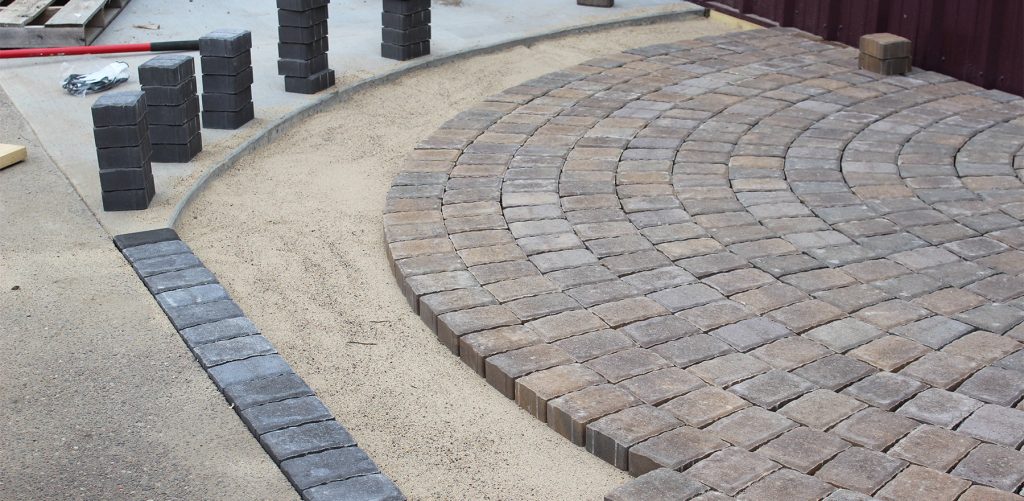


Hardscape crews are seeing a real shift right now: tools that used to feel “nice to have” are becoming standard because they directly translate to speed, consistency, and fewer bodies on the job. The biggest leap is in vacuum-lift equipment and clamp systems—especially from brands like Pave Tool Innovators—because they take the heaviest, most injury-prone movements (slabs, steps, caps, big-format pavers) and turn them into controlled, repeatable, one- or two-person tasks. Pave Tool’s suction/lift-assist lineup is specifically positioned around reducing labor demand and physical strain while keeping production moving.
Vacuum machines (and compact “paver vac” style lifters) shine when you’re constantly setting, adjusting, or pulling product without wrecking your back and fingers. Instead of muscling heavy units into place—or fighting to lift something once it’s seated—you’re using suction to grab, move, and fine-tune placement with far less effort. That means less fatigue late in the day, fewer “we need one more guy to help” moments, and faster resets from one area of the patio to the next. Pave Tool’s MVP Paver Vac, for example, is marketed as a small tool with very high suction capacity, aimed directly at cutting fatigue and speeding placement and handling.
Clamps are the other half of that efficiency story, especially for steps, treads, wall caps, and large-format pieces where straps and fingers are a recipe for slow installs and close calls. A good clamp gives you a secure bite, better control, and safer positioning—so you can set product quickly and confidently without risking crushed hands or awkward lifts. Pave Tool’s clamp lineup is built around handling wall, paver, and slab materials with purpose-built grab points designed to reduce labor fatigue and increase placement precision.
Hand tools still matter because they eliminate the tiny time-wasters that quietly crush margins—layout tweaks, marking, and screed adjustments. Tools like paver scribes speed up accurate marking around curves, odd angles, and tight edges so the crew can cut once and move on instead of chasing fitment mistakes. Purpose-built screeding systems reduce rework by helping create a flatter, more uniform bedding plane—so crews are not fixing inconsistencies across the entire field later in the project.
Finally, modern compaction tools are redefining the end of the paver install. There is no longer a need to lay down old carpet remnants or wrestle traditional plates with mats just to protect surfaces. Companies like Bartell Global have developed vibratory paver rollers designed to massage polymeric sand into joints and bedding layers without chipping or cracking stone. Their roller systems provide even, controlled compaction while minimizing surface marking and reducing physical strain on installers. The result is faster final passes, cleaner finishes, and a more professional close-out on patios, walkways, and terraces.
The net effect of all these tools on the market is transformative: crews can install more square footage with fewer people, reach higher quality results with less rework, and protect their bodies so installers stay healthier longer. As contractors look to increase yearly output and stay competitive, investing in vacuum lifters, clamps, optimized hand tools, and advanced compaction systems is no longer just “nice to have”—it is a strategic edge on every jobsite.