


Efficient irrigation is essential for conserving water, reducing costs, and promoting a healthy landscape. However, the key to maximizing irrigation efficiency often starts with soil health. Healthy soil retains moisture better, supports plant growth, and reduces the need for frequent watering. Here are practical tips to improve soil health and make your irrigation practices more effective.
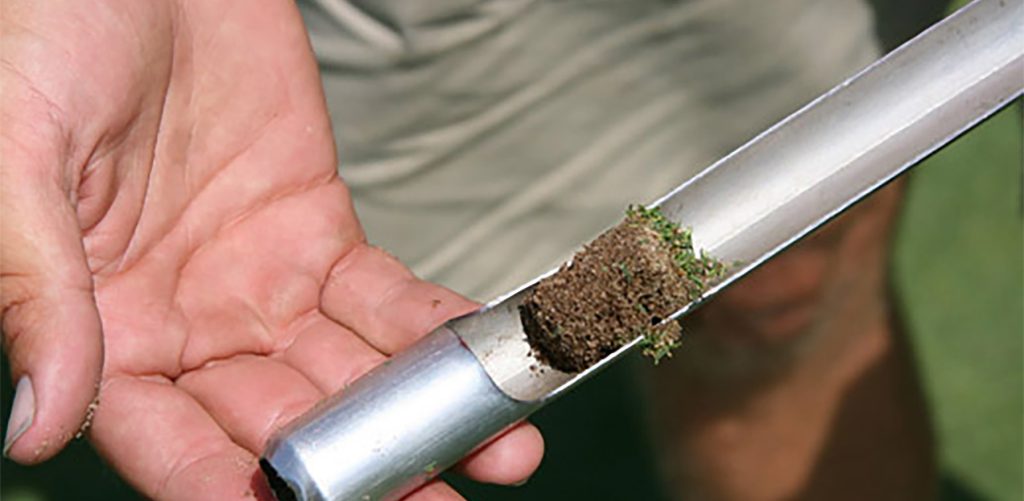
Before making changes to irrigation schedules, it’s important to know the condition of your soil. Soil testing helps determine nutrient levels, pH, organic matter content, and texture. Understanding these factors allows you to adjust irrigation and fertilization strategies to better meet your landscapes’ needs, preventing overwatering or nutrient runoff.
Good soil structure promotes water infiltration and retention. Incorporate organic matter such as compost, cover crops, or mulch to improve aggregation of soil particles. Well-structured soil creates air pockets, reduces compaction, and allows water to move evenly through the soil profile, reducing waterlogging and runoff.
Organic matter acts like a sponge, holding water and nutrients for plant use. Regularly adding compost, manure, or crop residues increases organic content, which improves the soil’s water-holding capacity. This is especially important for sandy soils that drain quickly and clay soils that can.
Compacted soil prevents water from infiltrating and increases runoff. Avoid heavy machinery during wet conditions, and consider practices like deep tilling or subsoiling where necessary. Maintaining proper soil porosity allows irrigation water to penetrate deeply and reach plant roots efficiently.
Mulching helps retain soil moisture, moderates temperature, and suppresses weeds. Organic mulches, such as straw or wood chips, decompose over time, further improving soil health. Mulch reduces the frequency of irrigation by limiting evaporation, making your water use more efficient.
Using soil moisture sensors can guide precise irrigation. Rather than following a fixed schedule, irrigate based on the actual moisture needs of your soil and plants. This reduces water waste and ensures plants receive the right amount of water at the roots.
By focusing on soil health, you can create a more efficient irrigation system, conserve water, and support sustainable plant growth. Healthy soil is the foundation for a productive garden or landscape, and small improvements in soil management can make a big difference in water usage.