
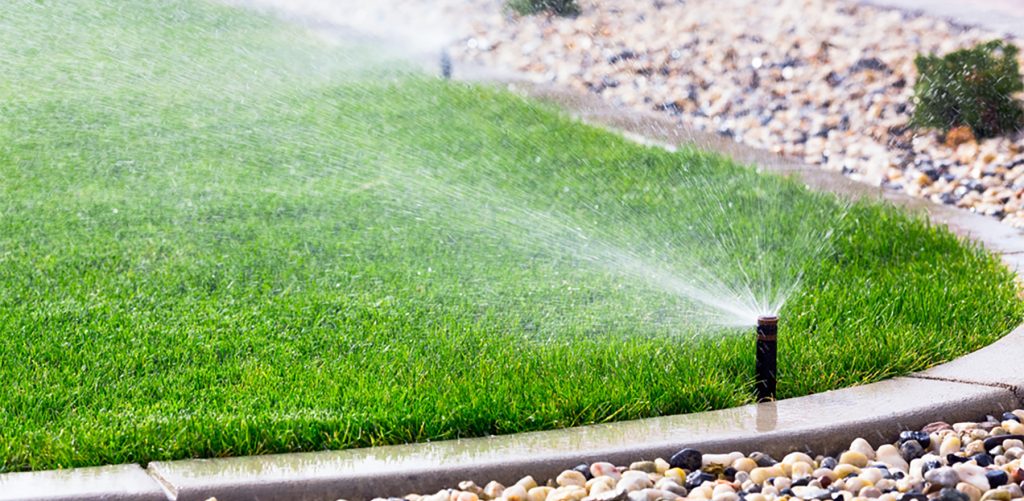


July marks Smart Irrigation Month, making it the perfect time to evaluate how efficiently your irrigation system is performing during the hottest and driest part of the year. As temperatures rise and rainfall becomes less predictable, irrigation often accounts for a significant portion of a property’s water use. Without the right strategy, it’s easy to waste water, increase operating costs, and still struggle to maintain healthy turf and landscapes.
The good news is that smart irrigation isn’t about using more water—it’s about using water more effectively. By combining efficient technology with sound irrigation practices, contractors and property managers can protect plant health, reduce unnecessary water use, and keep landscapes performing through the toughest summer conditions.
One of the simplest ways to improve irrigation efficiency is by adjusting watering schedules to match seasonal conditions. As temperatures climb in July, landscapes typically require more water than they did earlier in the season, but that doesn’t always mean increasing run times across the board. Different plant materials, soil types, sun exposure, and slope conditions all influence water needs. Reviewing and updating irrigation schedules throughout the summer helps prevent both overwatering and underwatering.
Timing is just as important as the amount of water applied. Watering during the early morning hours—typically between 4:00 a.m. and 9:00 a.m.—reduces evaporation and allows moisture to soak into the soil before the heat of the day. Midday watering can lose a significant amount of water to evaporation, while evening irrigation may leave foliage wet overnight and increase the risk of disease.
Even the most carefully planned irrigation schedule can’t compensate for a poorly maintained system. Mid-season inspections should include checking for broken sprinkler heads, clogged nozzles, leaks, tilted spray heads, and areas with uneven coverage. Small issues often go unnoticed but can lead to dry spots, runoff, or excessive water use over time. Regular maintenance keeps systems operating efficiently and helps avoid costly repairs later in the season.
Smart irrigation controllers offer another opportunity to improve performance. Weather-based controllers automatically adjust watering schedules using local weather conditions, while soil moisture sensors prevent irrigation when the soil already contains sufficient moisture. These technologies help eliminate unnecessary watering after rainfall or during periods of lower water demand, reducing water waste without sacrificing landscape quality.
Uniform water distribution is another critical factor in maintaining healthy turf. Mismatched nozzles, incorrect pressure, or poor sprinkler spacing can create areas that receive too much water while others remain dry. Pressure-regulated spray heads and high-efficiency nozzles produce more consistent coverage, improving irrigation performance while minimizing runoff and misting.
Water management extends beyond the irrigation system itself. Healthy soil plays a major role in retaining moisture and supporting strong root growth. Practices such as aeration, proper fertilization, and incorporating organic matter improve the soil’s ability to absorb and store water. Turf with deeper root systems is better equipped to tolerate heat and drought, reducing the need for frequent irrigation.
Contractors should also take advantage of available technology to monitor system performance. Many modern irrigation platforms allow users to make schedule adjustments remotely, receive alerts for system issues, and monitor water usage from a smartphone or computer. This level of visibility makes it easier to respond quickly to changing weather conditions while improving overall irrigation efficiency.
As drought conditions continue to impact many regions, water conservation has become an increasingly important part of landscape management. Clients are looking for solutions that reduce water use without compromising the appearance of their properties. Contractors who understand smart irrigation practices can deliver measurable value through lower utility costs, healthier landscapes, and more sustainable maintenance programs.
Smart Irrigation Month serves as a reminder that every gallon of water counts. A few proactive adjustments—whether it’s optimizing schedules, upgrading equipment, repairing inefficiencies, or adopting smart technology—can have a significant impact throughout the remainder of the growing season. By focusing on efficient water management now, contractors can protect landscape quality, conserve valuable resources, and help customers weather the challenges of summer with confidence.